Bookkeeping Services
in Sharjah
We keep your daily transactions, invoices, bank activity, and account balances properly recorded, reconciled, and ready for the next financial deadline.
TRUSTED BY 500+ INDUSTRY LEADERS
- Monthly Recording
- Bank Reconciliation
- Sharjah, UAE
Books You Can Rely On
Stop losing time to missing entries, unexplained balances, and reports that are already weeks behind.
Current Account Records
Sales, expenses, supplier bills, and bank activity are recorded regularly, giving you a clearer view of the business as it operates.
Fewer Balance Surprises
Bank reconciliations help uncover unrecorded payments, duplicate entries, and differences before they become larger accounting problems.
Easier Month-End Close
Organized ledgers and supporting records reduce the scramble to prepare reports, VAT workings, or information requested by your accountant.
Better Daily Control
Clear receivable and payable records show what customers owe, what suppliers need, and where cash may become tight.
Daily Bookkeeping Work
Each task keeps the ledger connected to the documents and bank activity behind it.
Transaction Recording
Record sales, purchases, expenses, receipts, payments, and journals in the accounting ledger.
Bank Reconciliation
Match bank statements against recorded transactions and investigate unreconciled differences.
Supplier Invoice Recording
Enter supplier bills, expenses, due dates, and payment information into payable records.
Customer Invoice Tracking
Maintain receivable records showing invoices issued, payments received, credit notes, and outstanding balances.
VAT Ledger Maintenance
Organize sales and purchase transactions with VAT treatment and supporting invoice records.
Payroll Journal Entries
Record payroll-related entries, staff costs, deductions, and payment postings in the ledger.
Monthly Financial Reports
Prepare profit and loss, balance sheet, and account-balance reports from updated books.
Bookkeeping Catch-Up
Bring delayed records up to date using invoices, bank statements, receipts, and available supporting documents.
Practical Bookkeeping Support
Ahmed Mahfoudh Chartered Accountants & Auditors approaches bookkeeping as the foundation of every financial task that follows. Entries are recorded against the documents that support them, bank activity is matched against the ledger, and unclear balances are identified for review. This gives business owners a usable record rather than a pile of invoices waiting at year-end. Proper books also support UAE tax obligations: the Federal Tax Authority requires relevant Corporate Tax records to be retained for at least seven years after the relevant tax period ends.
How Your Books Stay Current
The costly mistake is treating bookkeeping as a year-end cleanup instead of a regular business process.

Bank activity is checked against records
Recorded payments and receipts are compared with bank statements rather than assumed to be correct. This helps identify missing transactions, bank charges, duplicate postings, unpresented payments, and balances that need an explanation before monthly reporting is prepared.
Source documents stay connected
Invoices, receipts, supplier bills, and bank records are organized alongside the ledger entries they support. This makes it easier to answer a question about an expense, trace a customer payment, or prepare information requested during a tax review or audit.
Delays are dealt with directly
When books are behind, the work starts by identifying which months, accounts, and documents are incomplete. Records are then reconstructed from available bank statements and supporting documents, with unresolved items clearly identified instead of hidden in the ledger.
Sharjah Bookkeeping Support
Reliable monthly recordkeeping for businesses that need their accounts kept in order.
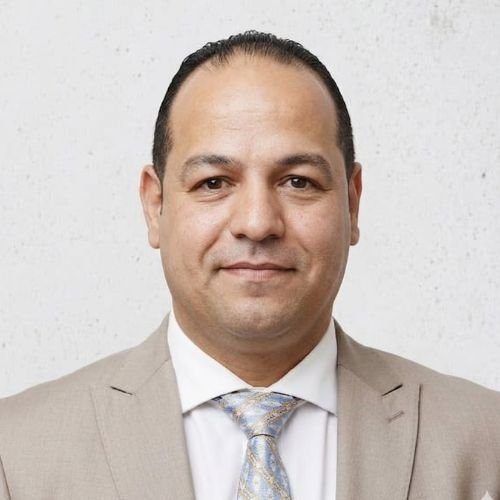
Sameh Abdalla
CEO & Founder
Sami Abdallah leads the firm with expertise in accounting, audit, tax advisory, and consulting. He provides strategic guidance and supports long-term business growth across the UAE.

Ahmed Mahfoudh
Audit Manager
Ahmed Mahfoudh manages audit assignments and financial reviews with a focus on accuracy, compliance, and risk assessment. He delivers clear insights to strengthen financial control.
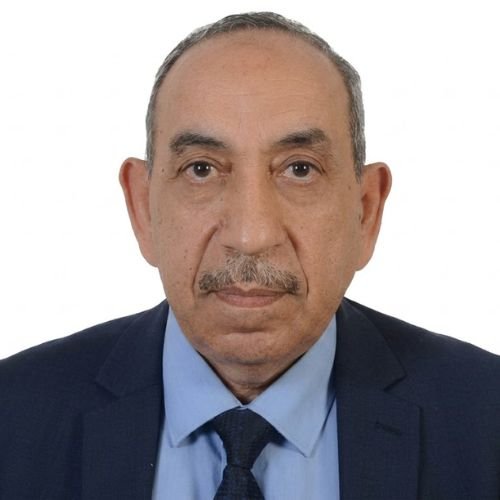
Ahmed Elbadawi
Legal Manager
Ahmed Elbadawi provides legal guidance, contract management, and compliance support. He helps protect business interests, reduce risks, and ensure smooth legal operations.

Ahmed Samir
Tax Manager
Ahmed Samir specializes in UAE VAT, corporate tax, and compliance services. He supports businesses in managing tax obligations while improving financial efficiency and compliance effectively.
What Sharjah Businesses Notice
These owners and finance managers wanted books they could use without second-guessing the figures.
“Every entry is accurate and current, so I no longer waste time chasing missing figures.”
“Everything is clean, reconciled, and ready when I need it at month end.”
“Multi-currency entries and supplier invoices are recorded carefully. I trust the monthly numbers now.”
“Our books were weeks behind. Now the records stay current and clear.”
“Clean reports help me understand the business better and feel more in control.”
“Their bookkeeping keeps our accounts organized and audit-ready each month.”
Bookkeeping Questions For Sharjah Businesses
The details that matter before you hand over your financial records.
What does bookkeeping include?
Bookkeeping includes recording income, expenses, invoices, payments, bank activity, and journal entries. It also includes reconciling accounts and preparing reports from the updated ledger.
How often should books be updated?
The right frequency depends on transaction volume and reporting needs. Businesses with regular sales, supplier payments, or VAT obligations usually need weekly or monthly updates rather than waiting until year-end.
Can you handle delayed bookkeeping?
Yes. Catch-up work uses bank statements, sales records, supplier invoices, receipts, and available accounting data to rebuild missing periods. Unexplained transactions are listed for your review instead of being guessed.
Do you reconcile bank accounts?
Yes. Bank reconciliation compares recorded transactions with the bank statement and identifies differences that require correction or supporting evidence. A bank balance alone does not confirm that the ledger is accurate.
Can bookkeeping support VAT filing?
Yes, updated sales and purchase ledgers help prepare VAT workings and retain supporting records. VAT registration becomes mandatory when taxable supplies and imports exceed AED 375,000 over the previous 12 months or are expected to exceed that amount within 30 days.
How long must financial records be kept?
Corporate Tax records must generally be retained for at least seven years after the end of the relevant tax period. VAT records are generally retained for five years, with longer periods applying in certain cases.
What happens when records are missing?
Missing records can delay reporting, weaken VAT or Corporate Tax support, and create problems during a review. The first step is to identify the missing documents and reconstruct the ledger from available evidence.
How is bookkeeping priced?
Pricing is based on transaction volume, number of bank accounts, record condition, reporting frequency, and whether prior periods need cleanup. A business with 20 monthly transactions needs a different scope from one handling daily sales and supplier invoices.
Still have questions? We're here to help.
Call Us Now