
Internal Audit Services
in Abu Dhabi
I examine how key business processes actually operate, test the controls around them, and give management a clear report on weaknesses that need attention.
13+ YEARS OF UAE FINANCIAL EXPERIENCE
- Process Control Testing
- Risk-Based Reviews
- Abu Dhabi UAE
Find Control Failures Early
Test the processes behind payments, approvals, records, and operations before a weakness causes loss or disruption.
Prioritised Risk Findings
Management can focus first on control weaknesses that affect money, compliance, reporting, asset protection, or operational continuity.
Clear Process Ownership
Findings identify where responsibilities, approvals, and escalation routes are unclear across departments or management levels.
Evidence Behind Observations
Each issue is based on tested transactions, process walkthroughs, records, or control evidence rather than a high-level policy review.
Actionable Remediation Steps
Recommendations give management a practical starting point for correcting weaknesses and tracking whether the change has been implemented.
Internal Audit Review Scope
Risk-based audit work for financial, operational, compliance, and governance processes in Abu Dhabi businesses.
Audit Risk Assessment
Identify key processes, control risks, priorities, and areas for audit testing.
Process Walkthrough Review
Map how transactions move through people, systems, approvals, and records.
Procurement Controls Audit
Test supplier selection, purchase approvals, invoices, payments, and delegated authority.
Revenue Controls Audit
Review sales, billing, credit control, receipts, adjustments, and revenue records.
Inventory And Asset Review
Test stock movement, asset custody, count procedures, and supporting documentation.
Payroll And Expense Testing
Review employee changes, payroll approvals, expense claims, and payment controls.
Policy And Delegation Review
Test whether policies, authority limits, and approval requirements are being followed.
Internal Audit Report
Issue findings, risk ratings, recommendations, and management action requirements.
Independent Process Testing
Ahmed Mahfoudh Chartered Accountants & Auditors brings more than 13 years of UAE financial experience to internal audit assignments. I review how controls work in practice, not only whether a policy exists. For Abu Dhabi businesses, that may mean tracing a purchase from request to payment, checking whether inventory movements are recorded, or testing how management approvals are evidenced. The audit scope is built around the areas that could create the greatest financial, operational, or compliance exposure for your organisation.
Test What Staff Actually Do
The common mistake is relying on written procedures without checking whether daily transactions follow them.

Risk drives the audit plan
I begin by identifying the processes most likely to affect cash, assets, financial reporting, compliance, or business continuity. Audit time is then directed toward the areas of greatest exposure instead of applying the same level of testing to every department.
Controls are tested through transactions
A control is not treated as effective simply because it appears in a policy. I test selected transactions, approvals, system records, and supporting documents to determine whether the control was performed consistently and whether evidence of that performance exists.
Actions have named responsibility
Findings are recorded with the process affected, risk explanation, recommendation, and proposed management owner. This makes it easier for management or the audit committee to track completion and confirm that the corrective action addresses the original weakness.
Abu Dhabi Internal Audit Support
Independent process reviews for management, boards, compliance teams, and audit committees.

Sameh Abdalla
CEO & Founder
Sami Abdallah leads the firm with expertise in accounting, audit, tax advisory, and consulting. He provides strategic guidance and supports long-term business growth across the UAE.

Ahmed Mahfoudh
Audit Manager
Ahmed Mahfoudh manages audit assignments and financial reviews with a focus on accuracy, compliance, and risk assessment. He delivers clear insights to strengthen financial control.
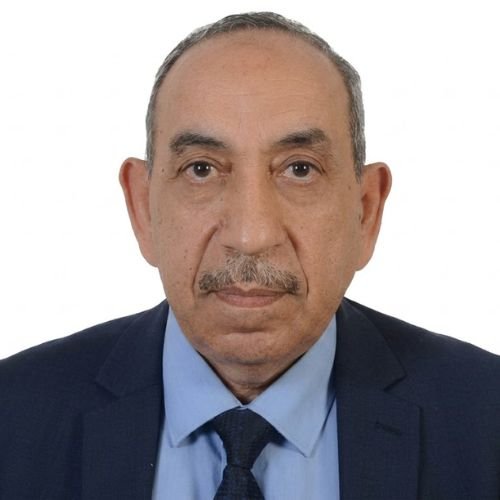
Ahmed Elbadawi
Legal Manager
Ahmed Elbadawi provides legal guidance, contract management, and compliance support. He helps protect business interests, reduce risks, and ensure smooth legal operations.

Ahmed Samir
Tax Manager
Ahmed Samir specializes in UAE VAT, corporate tax, and compliance services. He supports businesses in managing tax obligations while improving financial efficiency and compliance effectively.
Abu Dhabi Leaders Strengthening Controls
These risk, finance, and operations leaders needed an objective view of how their controls performed.
“Clear, prioritised findings helped us strengthen processes across key departments.”
“Procurement and payment risks were identified with a structured plan to address them.”
“Balanced reports strengthened governance without unnecessary disruption to operations.”
“The review produced constructive findings that improved our overall control environment.”
“The recommendations improved segregation of duties and documentation around fraud-risk areas.”
“Independent assurance over key controls with realistic steps for ongoing improvement.”
Internal Audit Questions In Abu Dhabi
Practical answers on audit scope, timing, control testing, fraud risk, reporting, and remediation work.
What is an internal audit?
Internal audit is an independent, objective review of an organisation’s risk management, controls, and governance processes. It tests whether controls are suitably designed and operating as intended.
Is internal audit mandatory?
It is not mandatory for every private company in Abu Dhabi. Regulated entities, ADGM firms, government-related bodies, boards, lenders, and investors may have specific internal-audit or internal-control requirements.
How does it differ from external audit?
An external audit gives an opinion on financial statements, while internal audit examines controls and processes across the business. An external auditor works to financial reporting materiality; internal audit can review operational and compliance risks that do not affect the accounts.
How often should internal audits happen?
Frequency should follow the organisation’s risk profile, transaction volume, regulatory requirements, and past findings. Many businesses use a 12-month risk-based audit plan and schedule higher-risk processes more frequently.
Which areas can be audited?
Common areas include procurement, payments, sales, inventory, payroll, IT access, expenses, cash handling, tax processes, and delegated authority. The scope should identify the process owner, risk, control objective, and testing period.
Will the audit detect fraud?
Internal audit can identify fraud-risk weaknesses, unusual transactions, and failures in segregation of duties. It is not a forensic investigation and cannot guarantee detection of every fraud; suspected misconduct may require a separate forensic review.
What if a control is ineffective?
The finding should state the control objective, evidence tested, risk, and recommended corrective action. Management should assign an owner and target date, then report progress to the relevant manager or audit committee.
Can outsourced teams be audited?
Yes. The review can test the company’s oversight of outsourced payroll, logistics, IT, accounting, or other providers. Contracts, service-level reports, approvals, and reconciliations are normally relevant evidence.
Which standards guide internal audit?
The Global Internal Audit Standards issued by The Institute of Internal Auditors became effective in January 2025. They cover principles such as independence, objectivity, competence, quality, and risk-based planning.
How is internal audit pricing set?
Fees depend on the number of processes, locations, systems, transactions, controls, and audit days required. A review covering procurement, payroll, and inventory normally needs more testing than a single-process control assessment.
Still have questions? We're here to help.
Call Us Now