
Forensic Audit
in Dubai
We investigate suspected financial misconduct, reconstruct transaction trails, quantify identified exposure and report what the available evidence does—and doesn’t—support.
13+ YEARS OF UAE AUDIT EXPERIENCE
- Restricted Access
- Evidence Logged
- Facts Reported
Replace Suspicion With Evidence
A focused investigation establishes what happened without treating an allegation as proof or forcing an early conclusion.
Clear Event Timeline
Transactions, approvals, communications and system records are arranged chronologically to show how the matter developed.
Measured Exposure
Identified payments, missing assets or accounting adjustments are calculated from available evidence rather than estimated without support.
Traceable Findings
Each conclusion connects to specific records, interviews or analytical results that authorised decision-makers can review.
Informed Next Steps
Management and legal counsel receive a factual basis for deciding whether to pursue disciplinary, recovery, regulatory or legal action.
Better Prevention
The methods and control failures behind the irregularity are documented, helping the business reduce the chance of repetition.
Financial Investigation Workstreams
The investigation is scoped around the allegation, available evidence, affected transactions and intended use of the findings.
Allegation Assessment
Defining the concern, relevant period, involved processes, evidence sources and investigation authority.
Transaction Reconstruction
Rebuilding fund movements across ledgers, bank records, invoices, entities and related accounts.
Employee Fraud Review
Examining suspected embezzlement, false expenses, unauthorised payments and payroll manipulation.
Vendor Fraud Review
Investigating fictitious suppliers, duplicate invoices, kickbacks, conflicts and procurement manipulation.
Asset Misappropriation Review
Tracing missing cash, inventory, equipment or other business assets through available records.
Statement Manipulation Review
Testing suspected revenue inflation, concealed liabilities, false journals and deliberate financial misclassification.
Shareholder Dispute Analysis
Analysing withdrawals, related-party transactions, profit allocations and disputed financial representations.
Whistleblower Investigation
Testing reported concerns independently while limiting disclosure of identities and sensitive information.
Forensic Findings Report
Presenting the scope, procedures, evidence, factual findings, limitations and calculated financial effect.
Dubai Financial Investigation Experience
Ahmed Mahfoudh Chartered Accountants & Auditors is a Dubai-based practice with more than 13 years of UAE audit experience and DDA approval. Forensic assignments can involve the firm’s audit, tax and legal managers where the facts cross financial reporting, tax or legal issues. Work begins with authority and scope, then moves through evidence preservation, transaction testing, interviews and documented conclusions. The report distinguishes established facts from assumptions, unresolved matters and limitations in the records provided.
How Sensitive Evidence Is Handled
The usual mistake is confronting people or changing system access before relevant records have been preserved.

Evidence Is Preserved Before Analysis
Relevant ledgers, documents, messages, access logs and transaction exports are identified at the start. Copies are logged, source details are recorded and original data is protected where possible. This reduces questions about when evidence was obtained or whether it changed.
Scope Follows the Allegation
A forensic audit isn’t an unrestricted search through the entire company. We translate the concern into specific questions, people, entities, accounts and dates. New workstreams are added only when evidence justifies extending the agreed scope.
Facts Stay Separate From Suspicion
Allegations, witness statements, accounting records and auditor conclusions are identified separately. Conflicting evidence is recorded rather than hidden. If the available material doesn’t support an accusation, the report says so without forcing a finding.
Access Remains Need-to-Know
Investigation materials are shared through an agreed reporting route with authorised individuals. The subject of the allegation isn’t automatically included in communications. Disclosure may still be required where law, regulation, court procedure or professional obligations apply.
Interviews Follow Document Review
Records are examined before key interviews whenever circumstances allow. This helps investigators ask transaction-specific questions and compare explanations against available evidence. Interview notes record what was said without presenting an unverified statement as an established fact.
Legal Use Is Planned Early
If litigation, arbitration, dismissal or a regulatory report is possible, legal counsel should define privilege, notification and evidence requirements early. The forensic accountant supplies financial analysis; counsel determines the legal strategy and required procedural steps.
Outcomes Aren’t Promised in Advance
A forensic audit can identify evidence, calculate supported amounts and explain transaction patterns. It can’t promise that fraud will be proven, every asset will be located or a court will accept a particular interpretation.
Control Failures Are Documented
The report identifies approvals, access rights, reconciliations or segregation controls that allowed the issue to occur or remain unnoticed. Recommendations address those specific failures without changing the factual conclusion about past events.
Specialists Examining the Evidence
Audit, tax and legal managers contribute where the investigation crosses their respective areas.
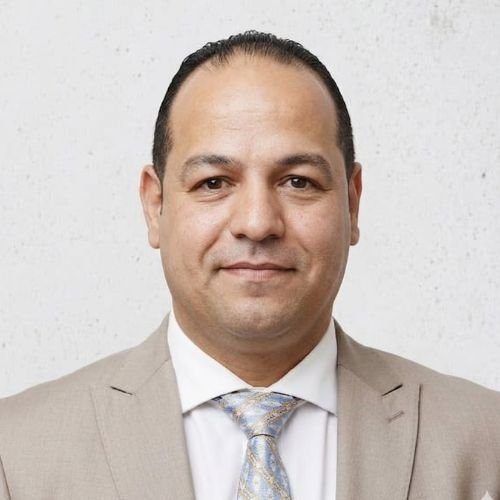
Sameh Abdalla
CEO & Founder
Sami Abdallah leads the firm with expertise in accounting, audit, tax advisory, and consulting. He provides strategic guidance and supports long-term business growth across the UAE.

Ahmed Mahfoudh
Audit Manager
Ahmed Mahfoudh manages audit assignments and financial reviews with a focus on accuracy, compliance, and risk assessment. He delivers clear insights to strengthen financial control.

Ahmed Elbadawi
Legal Manager
Ahmed Elbadawi provides legal guidance, contract management, and compliance support. He helps protect business interests, reduce risks, and ensure smooth legal operations.

Ahmed Samir
Tax Manager
Ahmed Samir specializes in UAE VAT, corporate tax, and compliance services. He supports businesses in managing tax obligations while improving financial efficiency and compliance effectively.
What Dubai Decision-Makers Learned
These leaders needed discreet investigation of suspected losses, irregular transactions or disputed financial activity.
“Their forensic audit delivered clear findings supported by solid evidence. The objective investigation gave us a reliable basis for deciding our next steps.”
“They handled a sensitive investigation discreetly. Every transaction trail was examined carefully, and the final report presented facts without speculation.”
“They reconstructed complex financial flows and produced a detailed forensic report that stood up to both internal and external scrutiny.”
“We received clarity on suspected irregularities through a structured, evidence-based investigation that caused little disruption to daily operations.”
“Their forensic findings identified the issues, while the recommendations helped us close control gaps and reduce future exposure.”
“Independent and precise. Their forensic audit provided the objective analysis we needed while maintaining strict confidentiality throughout the investigation.”
Before Starting a Forensic Audit
Understand confidentiality, evidence access, timing and the limits of what an investigation can establish.
When should a forensic audit begin?
Begin when a specific allegation, unexplained loss, suspicious transaction pattern or financial dispute requires independent examination. Relevant electronic and paper records should be preserved before access rights or files are changed.
Is forensic audit the same as external audit?
No. External audit provides reasonable assurance on financial statements for a reporting period. Forensic audit investigates defined allegations, transactions, people or losses without issuing a statutory financial statement opinion.
Does suspicion prove that fraud occurred?
No. An allegation starts the investigation but isn’t evidence of guilt. Findings must be supported by records, analysis, interviews or other verifiable information.
Can you guarantee fraud will be proven?
No. The result may confirm the allegation, partially support it, identify a different issue or find insufficient evidence. An investigator can’t decide the conclusion before completing the agreed procedures.
How long does a forensic audit take?
Many defined investigations take approximately three to eight weeks. Large datasets, missing records, multiple entities, overseas transactions or delayed access can extend that period.
How much does forensic audit cost?
Cost depends on the allegation, period examined, transaction volume, data condition, number of individuals and expected reporting use. The initial assessment defines a phased scope and fee basis.
Who should commission the investigation?
The board, audit committee, legal counsel or another authorised decision-maker should approve the engagement. Someone implicated in the allegation shouldn’t control its scope, evidence access or final reporting.
What records will investigators need?
Depending on scope, records may include ledgers, bank statements, invoices, contracts, emails, approval logs, payroll files, access reports, inventory data and device exports.
Should we confront the suspected employee first?
Usually not before preserving relevant evidence and obtaining legal advice. Early confrontation can trigger deletion, coordination between involved parties or alteration of transaction records.
Is the investigation completely confidential?
Access can be restricted to an agreed group, but confidentiality isn’t absolute. Disclosure may be required by UAE law, a regulator, court order or the organisation’s reporting obligations.
Can employee emails be examined?
Access must be authorised and handled under applicable UAE employment, privacy and data-protection requirements. Legal counsel should confirm the permitted scope before private communications or personal data are reviewed.
Are electronic records recognised as evidence?
UAE Federal Decree-Law No. 35 of 2022 recognises electronic evidence in civil and commercial matters. The court determines admissibility and weight, so original format, source information and integrity should be preserved.
Can the report be used in court?
It may support legal counsel, arbitration or court proceedings, but the relevant tribunal decides admissibility and evidential weight. Required format and expert procedures should be agreed with UAE legal counsel early.
Can you access private bank accounts?
Not without lawful authority, consent or the appropriate legal process. Investigators can analyse records properly provided to them; compulsory disclosure requires action by the relevant court, regulator or authority.
Can forensic auditors recover missing money?
A forensic audit can trace supported transactions and quantify identified losses. Freezing, seizing or recovering assets requires separate legal action through counsel, courts or competent authorities.
What if records have been deleted?
Available backups, exports, third-party confirmations and related transaction records may help reconstruct events. Recovery of deleted device data requires authorised digital-forensic procedures and isn’t guaranteed.
Are interviews recorded?
The interview method is agreed before questioning and must follow applicable consent and legal requirements. Written notes should identify the date, attendees, matters discussed and any documents presented.
What appears in the final report?
The report states the mandate, scope, period, procedures, evidence reviewed, factual findings, calculated amounts, unresolved matters and limitations. Recommendations may be reported separately from conclusions about past conduct.
Must suspected money laundering be reported?
Reporting duties depend on the entity, activity and facts. Persons subject to UAE AML obligations under Federal Decree-Law No. 10 of 2025 must follow the applicable escalation and reporting rules.
What happens if the allegation is unsupported?
The report records that the available evidence didn’t substantiate the allegation within the defined scope. It also states any limitations that prevented a firmer conclusion.
Can the investigation cover overseas transactions?
Yes, where records are lawfully available. Obtaining documents, bank information or testimony from another jurisdiction may require local counsel, authority cooperation or formal legal procedures.
Still have questions? We're here to help.
Call Us Now